Ben je iemand die gek is op gokken?
Dan ben je waarschijnlijk wel eens langs een online casino gekomen en de kans is groot dat je toen zelfs een account hebt aangemaakt en voor het echte geld hebt gespeeld. Niet zo vreemd, want vrijwel iedereen heeft wel een gokje gewaagd, of dit nou online of offline was. Gokken is één van de grootste hobby’s van de mens zoals je kunt lezen, hoofdzakelijk omdat het een snelle manier is om geld te winnen. Daarnaast zijn er steeds meer manieren om te gokken zoals met free spins zoals je op www.bestecasinobonussen.nl/free-spins-bonus kunt zien, waarbij je zeker online de wereld aan keuze hebt uit allerlei verschillende online casino’s. Wat zijn online casino’s en wat bieden ze aan?
Wat is een online casino?
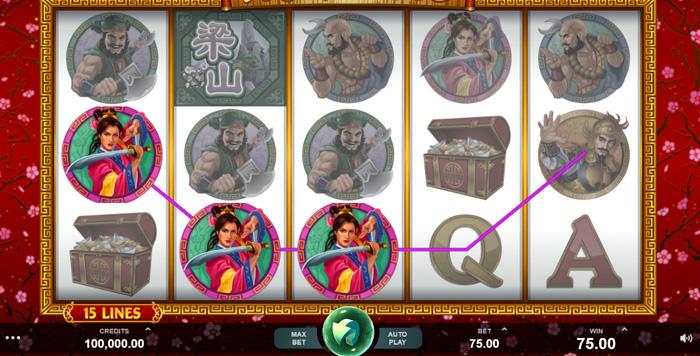
Kortgezegd is een online casino hetzelfde als, laten we zeggen, het Holland Casino. Je kunt er gokken op al je favoriete casinospellen zoals roulette, blackjack, poker of een gokkast. Groot verschil is dat je in een online casino niet fysiek aanwezig bent bij de tafel, maar je achter je computer, mobiel of tablet zit om geld in te zetten. Met een paar muisklikken ben je dichtbij het winnen of verliezen van geld op één van de talloze casinospellen. En het gemak voor jou als speler? Dat wordt steeds beter. Je hebt tegenwoordig zelfs de mogelijkheid om Live Casino te spelen; een concept waarbij camera’s een echte casino omgeving filmen, croupiers de kaarten delen en je het volledige verloop van jouw favoriete spel kunt volgen. Tevens is het nu mogelijk op school, op je werk of tijdens je reis met het Openbaar Vervoer te gokken op wat je ook maar wilt. Online casino is de casino industrie aan het overnemen.
Het aanbod van online casino’s
Het online casino biedt je alles wat je bij een fysiek casino ook tegenkomt én meer zoals je kan zie op . Roulette, blackjack, poker, gokkasten, bingo, online gokken; noem het allemaal maar op. En dat niet alleen, je hebt ook veel meer keuze als het aankomt op online casino’s. Online casino’s bestaan pas sinds circa half jaren ’90, maar inmiddels is dit concept zo groot als honderden verschillende online casino’s, gevestigd in tientallen verschillende landen. Wat online casino’s verder onderscheiden van fysieke casino’s zijn de bonussen voor spelers. Online casino’s proberen middels de beste bonussen zoveel mogelijk nieuwe en bestaande spelers aan zich te binden. Het aanbod van online casino’s is daarmee simpelweg interessanter; je hoeft niet de straat op, hebt meer keuze uit een breder aanbod en krijgt de beste bonussen.
Licenties en customer support
Er is een tijd geweest dat online casino’s nog niet het imago hebben dat ze nu over het algemeen wel hebben. Een tijd waarin online casino’s nog geen gebruik maakten van de Random Number Generator voor een eerlijker verloop van het spel of Live camera’s die alles voor je in beeld brachten. De online casino’s konden wel licenties overleggen om te laten zien dat ze een eerlijk spel aanboden. Deze licenties zagen toe op een eerlijk verloop en een gezonde bedrijfsvoering van online casino’s en gelden nog altijd ter bescherming van jou als speler. Ook de customer support was én is een belangrijke manier om nieuwe en bestaande klanten te ondersteunen in hun online casino ervaring. Heb je in een online casino betaalproblemen, dan kan je niet zomaar iemand op zijn schouder tikken om te helpen. Een goed online casino beschikt daarom altijd over een adequate, nette customer support.
Een account openen
Ben je klaar om online te gokken? Je hebt genoeg te kiezen, maar helaas nog geen 100% Nederlands casino. Wel heb je Nederlandstalige casino’s die onder een Belgische licentie óf Zweedse tak van de casino industrie functioneren. Denk er bij je keuze voor een online casino aan wat je belangrijk vindt:
- De beste bonussen
- Een goede customer support
- Het grootste aanbod casinospellen
- Mogelijkheden om te betalen (iDeal, CreditCard, PayPal, etc.)
Een online casino zal er middels hoge bonussen alles aan doen om jou als speler over te halen een account te openen. Het is zeker aan te raden om een bonus te activeren bij het openen van je account en zo je bankroll te vergroten, maar lees wel zorgvuldig de voorwaarden van de bonus door. Na het openen van een account, het kiezen van je gebruikersnaam en het storten van je geld ben je klaar om definitief te gaan gokken bij een online casino. Welkom in de wereld waar het grote geld ligt te wachten.
Online casino reviews
Om je te helpen bij het maken van jouw keuze voor een online casino bestaan er reviews. Reviews vormen de perfecte manier om je keuze kracht bij te zetten, want wat is er makkelijker dan te leren van de ervaringen die spelers voor jou hebben gehad met casino X? Belangrijk is wel om de onafhankelijke en eerlijke reviews te kunnen scheiden van subjectieve reviews. Waar de concurrentie zo groot is als in de online casino industrie mag je er simpelweg niet vanuit gaan dat alles 100% eerlijk voor jou op een presenteerblaadje wordt gegeven. Gelukkig zijn er meer dan genoeg professionele en eerlijke reviews te vinden die je een beter beeld geven van de échte ervaringen bij het online casino.
Waarop wordt een review gebaseerd?
Heb je ooit de reviews van andere spelers bij een online casino gelezen? Grote kans dat deze op een schaal van 1 tot 10 niet hoger kwamen dan 2,5 of 3.0. Wat is daarvan de reden? Met name omdat mensen psychologisch gezien eerder geneigd zijn een review te schrijven bij een minder goede ervaring, in het gevoel om andere mensen te waarschuwen voor praktijken die jij bent tegengekomen. Daarom is het in de meeste gevallen beter om de reviews van echte spelers naast die van professionele review platformen te leggen. Waarop worden het gros van de reviews gebaseerd?
- De licenties waarover het online casino beschikt
- De kwaliteit van de customer support
- Het assortiment/spelaanbod van het online casino
- De uitbetalingen per spel
- De hoogte en kwaliteit van diverse bonussen
- Het navigatie gemak en de hoogwaardige kwaliteit van het online casino
De veiligheid van de speler
Toegegeven, online casino’s kunnen het tegenwoordig niet meer maken onbetrouwbaar te zijn, want dan is het online casino snel genoeg failliet of van de radar verdwenen. Toch is de veiligheid van de speler bij het aanmaken een account en het storten van geld nog altijd een doorslaggevende factor om een online casino te beoordelen. Hoe gaat het casino om met je persoonlijke gegevens? Hoe soepel verloopt het storten én terugboeken van je geld en hoe goed is de service als je vragen hebt in deze fasen van het online casino traject?